











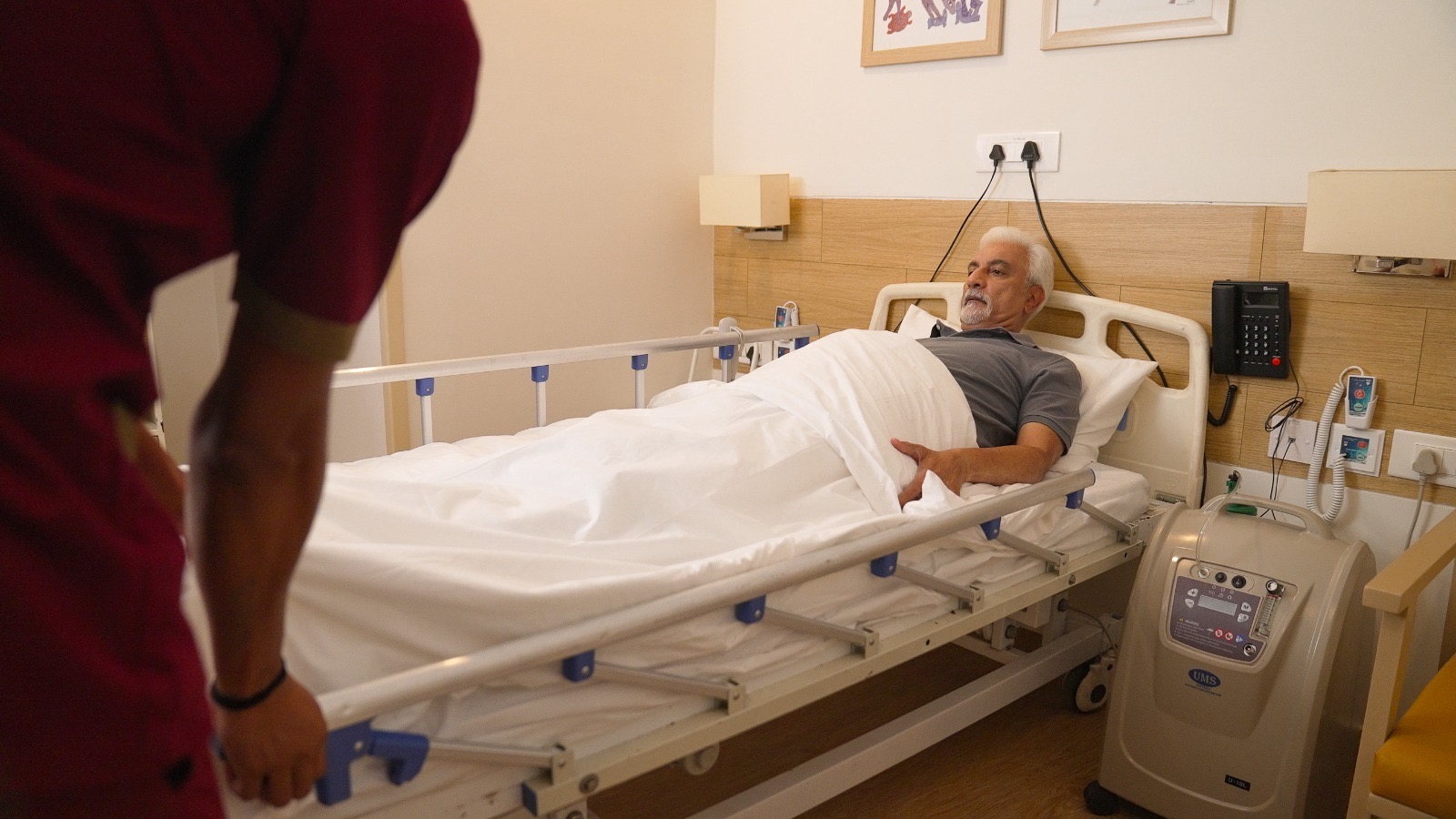
Chennai, May 2026: For most families in India, hospital discharge is seen as the end of treatment. When, in reality, it is often the beginning of the most critical and neglected phase of recovery. The transition from hospital to home remains one of the weakest links in India’s healthcare continuum, quietly contributing to complications, delayed recovery, and avoidable readmissions.
India’s Growing Care Gap
India’s population is ageing rapidly. According to the JLL-ASLI report(2024), the country’s senior population is expected to more than double from almost 160 million to nearly 350 million by 2050, when it will account for almost 20% of the total population. At the same time, the number of elderly patients undergoing surgeries such as knee and hip replacements, ACL repairs, and cardiac procedures is also risingsteadily.
Yet, the system is not equipped to support what happens after discharge. NITI Aayog’s report, Senior Care Reforms in India, highlights thatnearly24%*of elderly individuals face limitations in activities of daily living, requiring structured clinical support, without which patients face higher risks of complications, delayed recovery, and avoidable hospital visits.
This creates a critical gap between hospital discharge and full recoverywhere patients often lack a structured environment to consistently follow medical guidance on rehabilitation, nutrition, and hygiene. This is especially crucial for seniors, where incomplete recovery can impact independence, wellbeing, and overall quality of life.
Why This Phase is Medically High-Risk
The first few weeks after discharge are decisive in determining the outcome. Patients recovering from stroke, paralysis, orthopaedic surgeries, cardiac events, transplants, cancers or renal complicationsrequire consistent monitoring, rehabilitation, and timely intervention.
Without this, the risks escalate:
• Higher chances of complications, including infections and mobility setbacks.
• Delayed or incomplete recovery, particularly in orthopaedic and neurological cases.
• Medication errors and poor compliance.
• Avoidable hospital readmissions, often within 30 days.
Globally, studies indicate that nearly 15-20% of patients are readmitted within a month, with inadequate post-discharge care being a major contributor. In India, where structured post operative care is still evolving, this risk is even more pronounced.
The Myth of “Home is Enough”
In India, home-based care is often seen as the default choice for recovery; a place of familiarity, filled with familial care. But for many patients, it is not sufficient for effective recovery.
Most homes lack:
• 24×7 trained nursing supervision.
• Access to medical-grade monitoring equipment.
• The ability to deliver consistent physiotherapy and rehabilitation protocols.
• A safe physical environment designed to prevent falls and support mobility.
• Immediate access to life-support systems and emergency ambulance services.
In addition, families are often unprepared to manage complex recovery needs. What begins as “care at home” can quickly turn into fragmented, inconsistent care especially for patients recovering from paralysis, joint replacement surgeries, or those requiring palliative support.
The Rise of Post Operative Care in India
This gap is driving the emergence of a new category in India’s healthcare ecosystem post-operative and post operative care facilities.
These centres for transition step-down care are designed to deliver hospital-grade clinical oversight in a non-hospital setting, combining medical supervision with a more comfortable, recovery-focused environment. They are particularly relevant for:
• Knee, hip, and ACL surgery recovery
• Neuro, Stroke and paralysis rehabilitation
• Cardiac recovery
• Palliative care and long-term medical support
Importantly, structured post operative care has been shown to improve outcomes–reducing complications, accelerating recovery timelines, and lowering the likelihood of readmission.*
Insurance And Awareness Are Catching Up
While most health insurance policies in India already include post-hospitalisation benefits, the awareness and utilisation of these provisions remains low. Many families are either unaware that rehabilitation, nursing support, and follow-up care can be covered under post hospitalisation benefits, or they do not fully understand how to access these benefits.
As a result, patients often return home without structured recovery support–even when financial assistance is available-leading to suboptimal outcomes. This disconnect between coverage and awareness continues to be a major barrier in the adoption of organised postop transition care.
Improving awareness around insurance-backed recovery options, such as transition care homes, can significantly enhance access to clinically supervised rehabilitation and post-operative care, ensuring that patients receive the continuity of care they need beyond hospital discharge.
Building Structured Recovery Ecosystems
As surgical volumes rise and hospital stays shorten, organised providers are stepping in to fill the gap — building integrated care ecosystems that combine clinical expertise, specialised rehabilitation, and long-term recovery planning.
Among the leading providers in this space is Antara Care Homes, which has established a network of 8 Care Homes with over 485 beds across Delhi-NCR, Bengaluru, and Chennai. Its facilities are designed to support recovery across a range of complex conditions — from orthopaedic and cardiac care to Neuro Rehabilitation, Paralysis Treatment, and Stroke Rehab — with protocol-driven care, geriatricallytrained clinical teams, and infrastructure purpose-built for seniors’ safety and mobility needs.
The goal goes well beyond basic assisted living. Antara Care Homes represents a shift towards structured, clinically governed recovery environments — ones that ensure continuity of care, reduce the risk of readmission, and meaningfully bridge the gap between hospital discharge and a full return to health.
The Way Forward
India can no longer overlook the transition phase of recovery. As hospital stays shorten and surgeries rise, the need for structured post-discharge care is set to grow.
Recovery does not end at discharge, it begins there. Closing this gap requires a shift from reactive treatment to proactive recovery planning, backed by awareness and the right care infrastructure.










+ There are no comments
Add yours